
Quartering Act Drawing
Quartering Act Drawing - Web for centuries, england was notorious for its brutal and inhumane form of execution known as hanging, drawing, and quartering. That he be hanged by the neck but not till he was dead; Read on for a glimpse into exactly what being drawn and quartered does to your body. That he should be disembowelled or drawn and his entrails burned before his eyes; The punishment was designed to keep the convicted criminals alive as long as. This act was passed as part of the coercive acts in the wake of the boston tea party. Web the third amendment (amendment iii) to the united states constitution places restrictions on the quartering of soldiers in private homes without the owner's consent, forbidding the practice in peacetime. Web drawing and quartering, part of the grisly penalty anciently ordained in england (1283) for the crime of treason. Web the quartering act required that american colonists supply and pay for the lodging of british troops in military buildings called barracks. Web the quartering act was the name given to a series of british laws of the 1760s and 1770s which required that american colonies provide housing for british soldiers stationed in the colonies. Web for centuries, england was notorious for its brutal and inhumane form of execution known as hanging, drawing, and quartering. Read why the quartering act was passed, a summary of what it did, and how the colonists reacted to the quartering act. Drawing involved the punished being tied to a horse and dragged to the gallows, and quartering was the process of separating the body into four parts. Contrary to popular belief, this quartering act did not direct british soldiers to be billeted in the private homes of the colonists. Web the quartering act required that american colonists supply and pay for the lodging of british troops in military buildings called barracks. From the army’s point of view the principal difficulty was the colonists’ contention that those sections of the british mutiny act that regulated quartering did not apply to them because they had. Web what happens when you are hanged, drawn and quartered? Web in 1765, parliament passed a quartering act that stated that british troops in america would be housed in barracks and in public houses unless and until the number of troops overwhelmed the facilities, at which time, the troops could be housed in private commercial property, such as inns and stables, and in uninhabited homes and barns. Web in 1765, parliament passed an amendment to the mutiny act, which became known as the quartering act of 1765. Web quartering british troops in america was a problem which in 1755 had not been solved to the satisfaction of either the army or the colonists. And whereas it may frequently happen, from. Read on for a glimpse into exactly what being drawn and quartered does to your body. Web learn about the quartering act of 1765. Web as stated in the 1351 treason act, those who were found guilty of high treason were sentenced to death by hanging, drawing, and quartering. That he be hanged. Web learn about the quartering act of 1765. Web unlike the previous quartering act of 1765, the quartering act of 1774 allowed british troops to be housed in private homes and facilities. Web the third amendment (amendment iii) to the united states constitution places restrictions on the quartering of soldiers in private homes without the owner's consent, forbidding the practice. Web hanging, drawing and quartering was a brutal execution method used in england for those convicted of high treason, involving hanging, disembowelment and being cut into quarters. Web drawing and quartering, part of the penalty anciently ordained in england for treason. Web being drawn and quartered included many more horrible things, from burning and hanging to castration and dismemberment. Web. Web the quartering act required that american colonists supply and pay for the lodging of british troops in military buildings called barracks. Web learn about the quartering act of 1765. This act was passed as part of the coercive acts in the wake of the boston tea party. Web the third amendment (amendment iii) to the united states constitution places. The punishment was designed to keep the convicted criminals alive as long as. Web being drawn and quartered included many more horrible things, from burning and hanging to castration and dismemberment. Web the third amendment (amendment iii) to the united states constitution places restrictions on the quartering of soldiers in private homes without the owner's consent, forbidding the practice in. Contrary to popular belief, this quartering act did not direct british soldiers to be billeted in the private homes of the colonists. Web the quartering act was the name given to a series of british laws of the 1760s and 1770s which required that american colonies provide housing for british soldiers stationed in the colonies. Web quartering british troops in. Web the quartering act, which applied to all of the north american colonies, was designed to provide shelter for the british troops, allowing them to be housed in private buildings. Each of the quartering acts was an amendment to the mutiny act and required annual renewal by parliament. Until 1870 the full punishment for the crime was that the culprit. If the barracks were full, then the troops were to be housed in “uninhabited houses, outhouses [sheds], barns, or other buildings.” From the army’s point of view the principal difficulty was the colonists’ contention that those sections of the british mutiny act that regulated quartering did not apply to them because they had. Web in 1765, parliament passed a quartering. Web quartering british troops in america was a problem which in 1755 had not been solved to the satisfaction of either the army or the colonists. Web quartering act, (1765), in american colonial history, the british parliamentary provision (actually an amendment to the annual mutiny act) requiring colonial authorities to provide food, drink, quarters, fuel, and transportation to british forces. Web what happens when you are hanged, drawn and quartered? Web quartering act, (1765), in american colonial history, the british parliamentary provision (actually an amendment to the annual mutiny act) requiring colonial authorities to provide food, drink, quarters, fuel, and transportation to british forces stationed in. Read on for a glimpse into exactly what being drawn and quartered does to. Each of the quartering acts was an amendment to the mutiny act and required annual renewal by parliament. This act was passed as part of the coercive acts in the wake of the boston tea party. Web in 1765, parliament passed an amendment to the mutiny act, which became known as the quartering act of 1765. Web for centuries, england was notorious for its brutal and inhumane form of execution known as hanging, drawing, and quartering. Web quartering act, (1765), in american colonial history, the british parliamentary provision (actually an amendment to the annual mutiny act) requiring colonial authorities to provide food, drink, quarters, fuel, and transportation to british forces stationed in. Read on for a glimpse into exactly what being drawn and quartered does to your body. The plan, known as the gunpowder plot, was to blow up the houses of parliament at westminster using barrels of gunpowder. Read why the quartering act was passed, a summary of what it did, and how the colonists reacted to the quartering act. Web hanging, drawing and quartering was a brutal execution method used in england for those convicted of high treason, involving hanging, disembowelment and being cut into quarters. Web in 1765, parliament passed a quartering act that stated that british troops in america would be housed in barracks and in public houses unless and until the number of troops overwhelmed the facilities, at which time, the troops could be housed in private commercial property, such as inns and stables, and in uninhabited homes and barns. Web drawing and quartering, part of the grisly penalty anciently ordained in england (1283) for the crime of treason. On march 24, 1765, the quartering act was passed by the british parliament. Web the quartering acts were two or more acts of british parliament requiring local governments of britain's north american colonies to provide the british soldiers with housing and food. Web the quartering act was the name given to a series of british laws of the 1760s and 1770s which required that american colonies provide housing for british soldiers stationed in the colonies. From the army’s point of view the principal difficulty was the colonists’ contention that those sections of the british mutiny act that regulated quartering did not apply to them because they had. Drawing involved the punished being tied to a horse and dragged to the gallows, and quartering was the process of separating the body into four parts.![Quartering Act [[CARTOON]] by FonyPony on DeviantArt](http://pre01.deviantart.net/399c/th/pre/i/2015/302/b/d/quartering_act___cartoon___by_fonypony-d9euafv.png)
Quartering Act [[CARTOON]] by FonyPony on DeviantArt
Quartering Act Easy Drawing, HD Png Download kindpng

Quartering Act a cost saving measure that required the colonies to

American History Illustrated on Behance
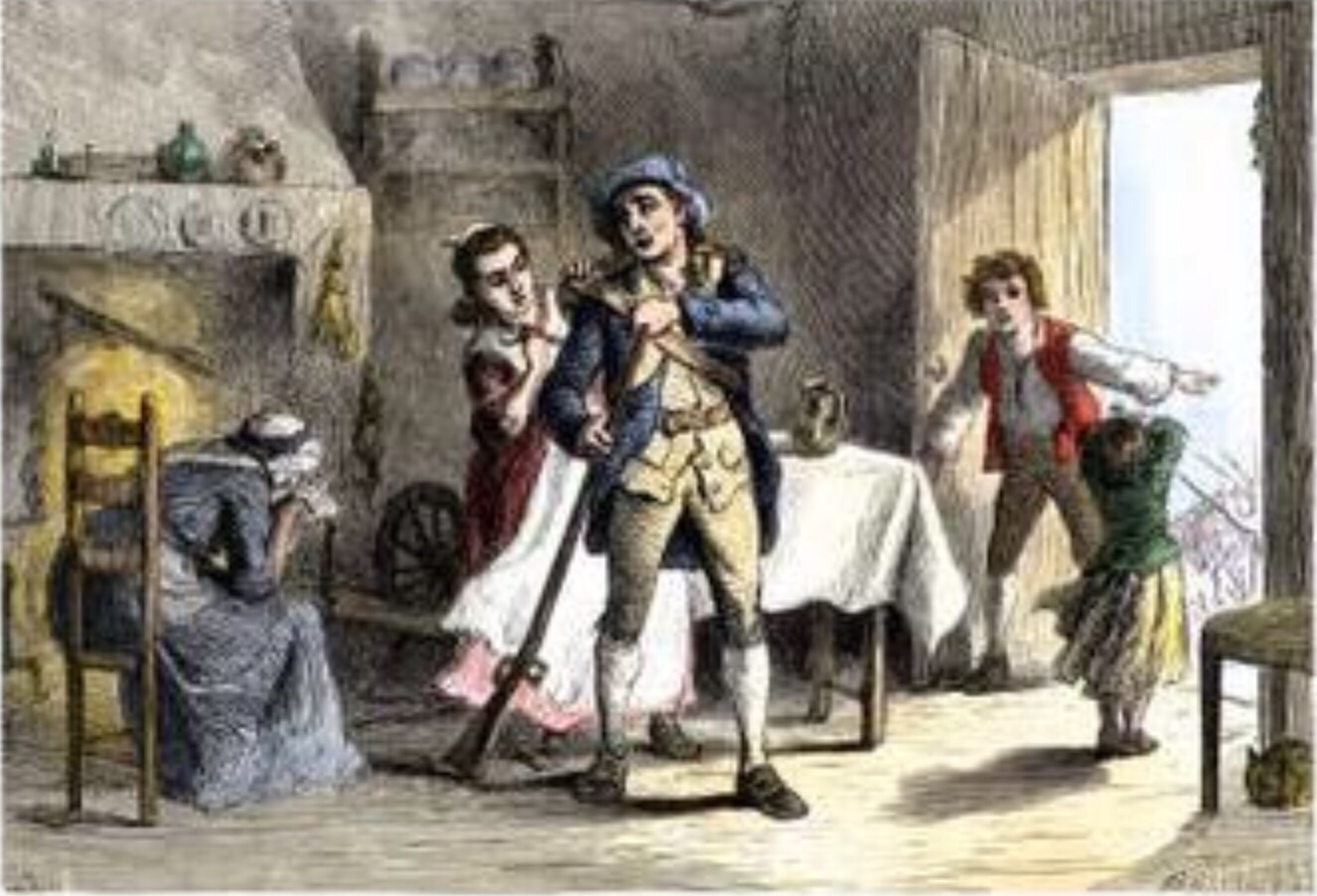

Quartering Act, 1768 Photograph by Granger
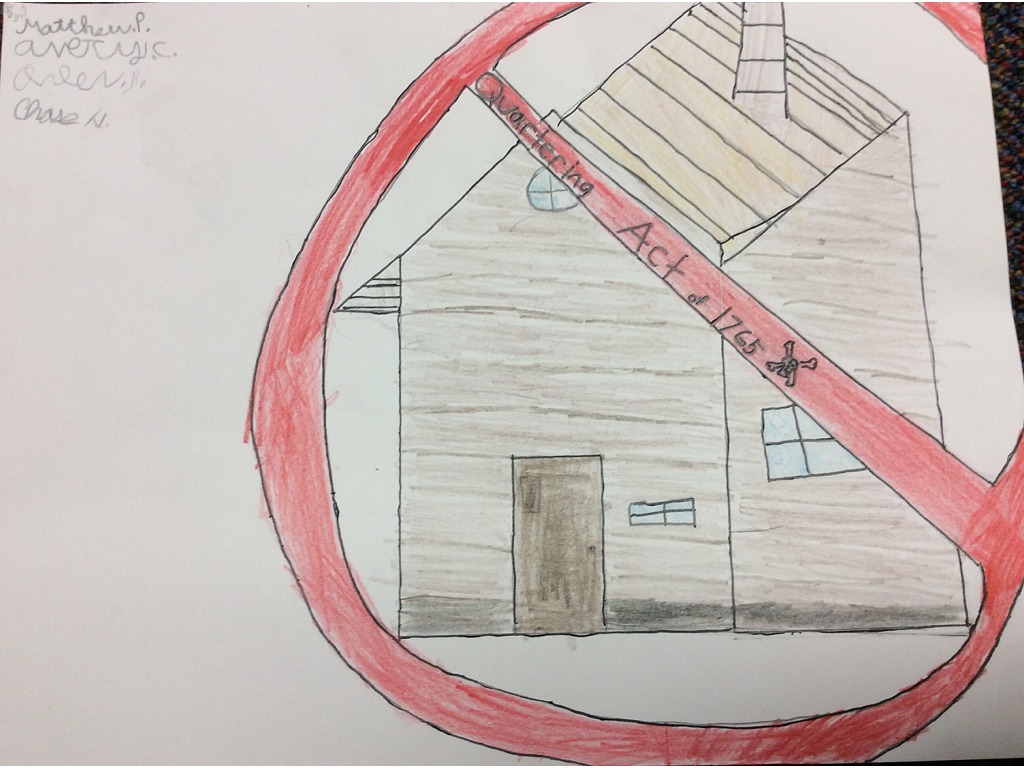
Quartering act of 1765 by Andrew, Avery, Matthew, chase Social

The Quartering Act YouTube

The Quartering Act of 1765 Definition, Summary & Facts Video

The Quartering Act by IPad 8
Web Being Drawn And Quartered Included Many More Horrible Things, From Burning And Hanging To Castration And Dismemberment.
That He Be Hanged By The Neck But Not Till He Was Dead;
This Gruesome Punishment Was Reserved For The Most Heinous Crimes And Involved A Series Of Torturous Steps To Leave Its Victims Mutilated And Dismembered.
Web Quartering British Troops In America Was A Problem Which In 1755 Had Not Been Solved To The Satisfaction Of Either The Army Or The Colonists.
Related Post: