Divergent Boundary Drawing
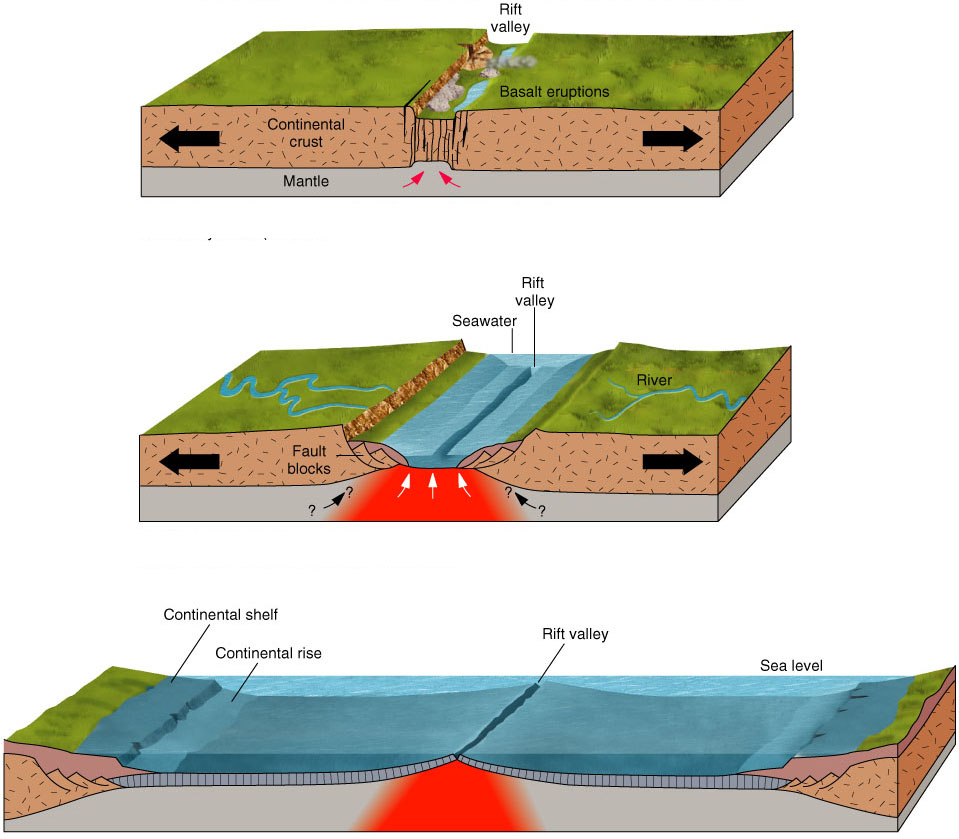
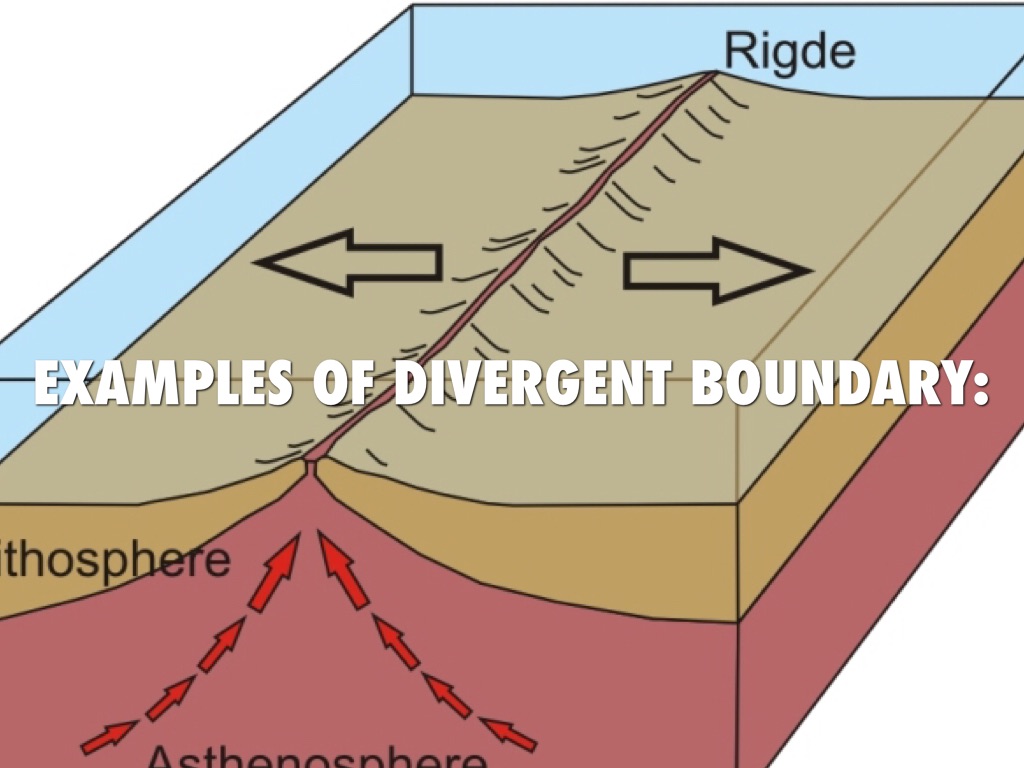
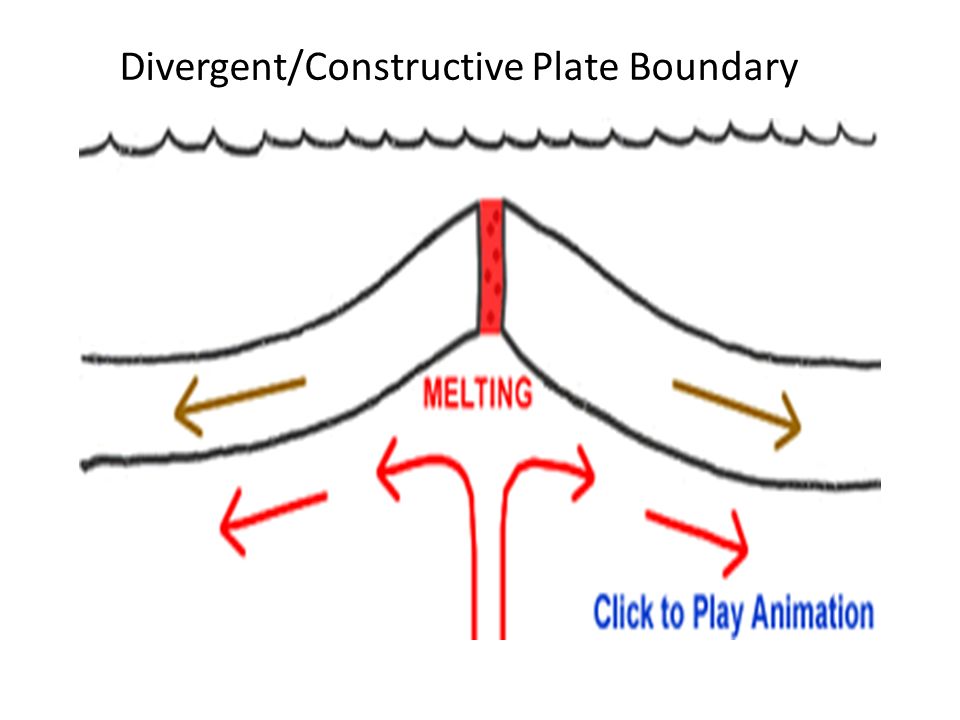
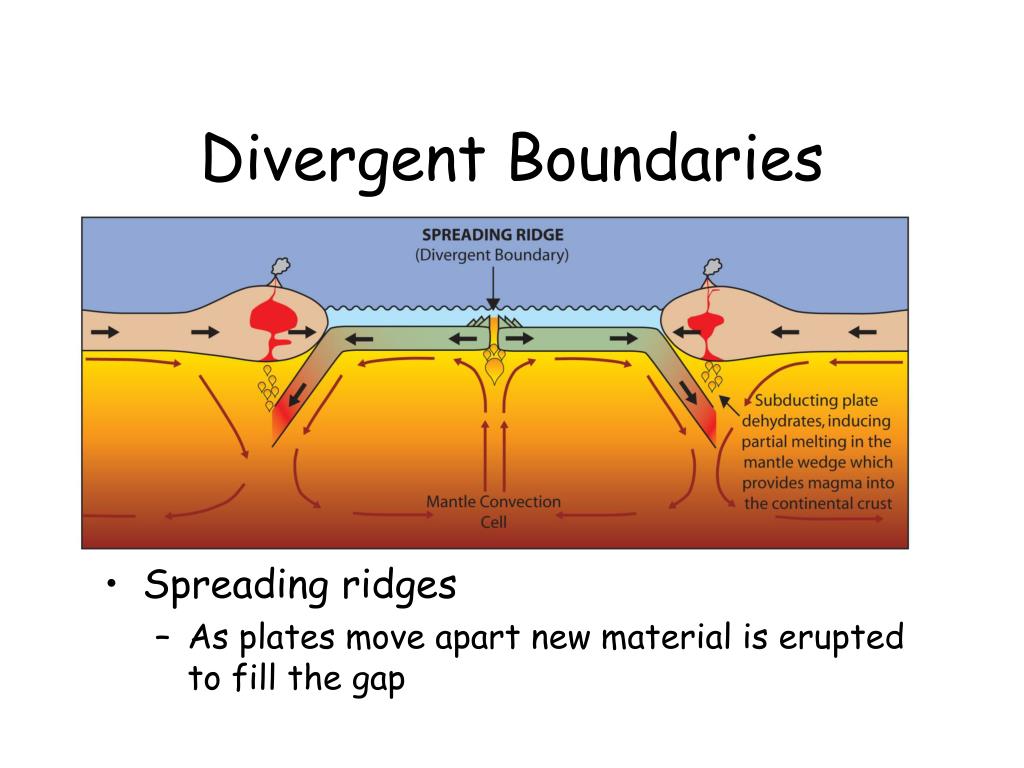
Divergent Boundary Drawing - Drawing & annotating a diagram of a divergent plate boundary. Web movement in narrow zones along plate boundaries causes most earthquakes. The process begins with hot magma rising, causing the lithosphere to crack and form rift valleys. Web divergent boundaries exist where tectonic plates move apart from each other. Web there are three main types of plate boundaries. Web places where plates are coming apart are called divergent boundaries. As shown in the drawing above, when earth's brittle surface layer (the lithosphere) is pulled apart, it typically breaks along parallel faults that tilt slightly outward from each other. The di in divergent comes from a latin prefix meaning apart, so divergent boundaries happen where two tectonic plates move apart. Web divergent boundaries are spreading boundaries, where new oceanic crust is created to fill in the space as the plates move apart. Web another kind of plate movement is called a divergent boundary. Web another kind of plate movement is called a divergent boundary. Each of these types of plate boundaries is associated with different geological features. Web divergent plate boundaries, where earth's plates move apart, create unique geological features. Web divergent boundaries are spreading boundaries, where new oceanic crust is created to fill in the space as the plates move apart. Convergent boundaries occur where two plates are moving toward each other. Drawing & annotating a diagram of a divergent plate boundary. Web for example, sections of earth’s crust can come together and collide (a “convergent” plate boundary), spread apart (a “divergent” plate boundary), or slide past one another (a “transform” plate boundary). Web in plate tectonics, a divergent boundary or divergent plate boundary (also known as a constructive boundary or an extensional boundary) is a linear feature that exists between two tectonic plates that are moving away from each other. Web plate tectonics series: Web the figure below was drawn by a student to show the relationship between earthquake epicenters (filled circles) and a divergent plate boundary (red line). Convergent boundaries occur where two plates are moving toward each other. The di in divergent comes from a latin prefix meaning apart, so divergent boundaries happen where two tectonic plates move apart. Web at divergent boundaries, sometimes called constructive boundaries, lithospheric plates move away from each other. These boundaries result in seafloor spreading, rift valleys, volcanoes, and earthquakes. Divergent boundaries. As the plates move past each other, they. Each of these types of plate boundaries is associated with different geological features. Web divergent boundaries exist where tectonic plates move apart from each other. Most seismic activity occurs at three types of plate boundaries—divergent, convergent, and transform. These boundaries result in seafloor spreading, rift valleys, volcanoes, and earthquakes. Web movement in narrow zones along plate boundaries causes most earthquakes. Divergent boundaries occur where two plates are moving away from each other. The process begins with hot magma rising, causing the lithosphere to crack and form rift valleys. Web plate tectonics series: Web visit the interactive plate boundary map to explore satellite images of divergent boundaries between oceanic plates. The figure represents a boundary between two oceanic plates. Web divergent boundaries are spreading boundaries, where new oceanic crust is created to fill in the space as the plates move apart. Web movement in narrow zones along plate boundaries causes most earthquakes. Web in plate tectonics, a divergent boundary or divergent plate boundary (also known as a constructive boundary or. The divergence is pulling baja california and mainland mexico apart. Web divergent boundaries exist where tectonic plates move apart from each other. Web divergent plate boundaries are locations where tensional forces are pulling things apart. Web divergent boundaries occur mostly along spreading centers where the magma rises forming new crust. Web another kind of plate movement is called a divergent. Web divergent plate boundaries, where earth's plates move apart, create unique geological features. The di in divergent comes from a latin prefix meaning apart, so divergent boundaries happen where two tectonic plates move apart. Web another kind of plate movement is called a divergent boundary. Web places where plates are coming apart are called divergent boundaries. Web divergent boundaries are. Featuring the ridge, lithospheric plate composition, density and asthen. There are two types of divergent boundaries, categorized by where they occur: Web divergent plate boundaries are locations where tensional forces are pulling things apart. Convergent boundaries occur where two plates are moving toward each other. Web the figure below was drawn by a student to show the relationship between earthquake. In locations where lithospheric plates are diverging, the rates of divergent motion range from 2 to 17 cm/year. Web movement in narrow zones along plate boundaries causes most earthquakes. Convergent boundaries occur where two plates are moving toward each other. East pacific rise, mid atlantic ridge.) spreading zones (no graphic) on continents create parallel mountains and valleys as the crust. Web places where plates are coming apart are called divergent boundaries. Each of these types of plate boundaries is associated with different geological features. Web divergent boundaries exist where tectonic plates move apart from each other. Web the figure below was drawn by a student to show the relationship between earthquake epicenters (filled circles) and a divergent plate boundary (red. Web the figure below was drawn by a student to show the relationship between earthquake epicenters (filled circles) and a divergent plate boundary (red line). Web for example, sections of earth’s crust can come together and collide (a “convergent” plate boundary), spread apart (a “divergent” plate boundary), or slide past one another (a “transform” plate boundary). Introduction to teaching plate. Along these boundaries, earthquakes are common and magma (molten rock) rises from the earth’s mantle to the surface, solidifying to create new oceanic crust. Web at divergent boundaries, sometimes called constructive boundaries, lithospheric plates move away from each other. The di in divergent comes from a latin prefix meaning apart, so divergent boundaries happen where two tectonic plates move apart. Web the figure below was drawn by a student to show the relationship between earthquake epicenters (filled circles) and a divergent plate boundary (red line). Most seismic activity occurs at three types of plate boundaries—divergent, convergent, and transform. Web plate tectonics series: Web movement in narrow zones along plate boundaries causes most earthquakes. Unlike convergent boundaries, divergence occurs between only oceanic or only continental plates, not one of each. Web places where plates are coming apart are called divergent boundaries. Web divergent boundary, also known as a constructive boundary or an extensional boundary, is a linear geologic feature that exists between two tectonic plates that are moving away from each other. Introduction to teaching plate tectonics. Web for example, sections of earth’s crust can come together and collide (a “convergent” plate boundary), spread apart (a “divergent” plate boundary), or slide past one another (a “transform” plate boundary). Web divergent boundaries are spreading boundaries, where new oceanic crust is created to fill in the space as the plates move apart. Divergent boundaries are spreading boundaries, where new oceanic crust is created from magma derived from partial melting of the mantle caused by decompression as hot mantle rock from depth is moved toward the surface (figure \(\pageindex{3}\)). There are two types of divergent boundaries, categorized by where they occur: East pacific rise, mid atlantic ridge.) spreading zones (no graphic) on continents create parallel mountains and valleys as the crust pulls apart (ex:
divergent Boundary

Divergent Boundary Definition & Examples Lesson

Free Vector Divergent plate boundary with explanation

Facts About the Divergent Plate Boundary Explained with a Diagram
/GettyImages-483766933-56c6e7fd3df78cfb37869a63.jpg)
Divergent Boundaries
Divergent Boundary Sketch at Explore collection of

divergent boundary
Divergent Boundaries Tectonics Website
Divergent Boundary Sketch at Explore collection of
Divergent Plate Boundaries Diagram
Web In Plate Tectonics, A Divergent Boundary Or Divergent Plate Boundary (Also Known As A Constructive Boundary Or An Extensional Boundary) Is A Linear Feature That Exists Between Two Tectonic Plates That Are Moving Away From Each Other.
Web Visit The Interactive Plate Boundary Map To Explore Satellite Images Of Divergent Boundaries Between Oceanic Plates.
Web There Are Three Main Types Of Plate Boundaries.
Web Another Kind Of Plate Movement Is Called A Divergent Boundary.
Related Post: